As Seen In






PUBLICATIONS
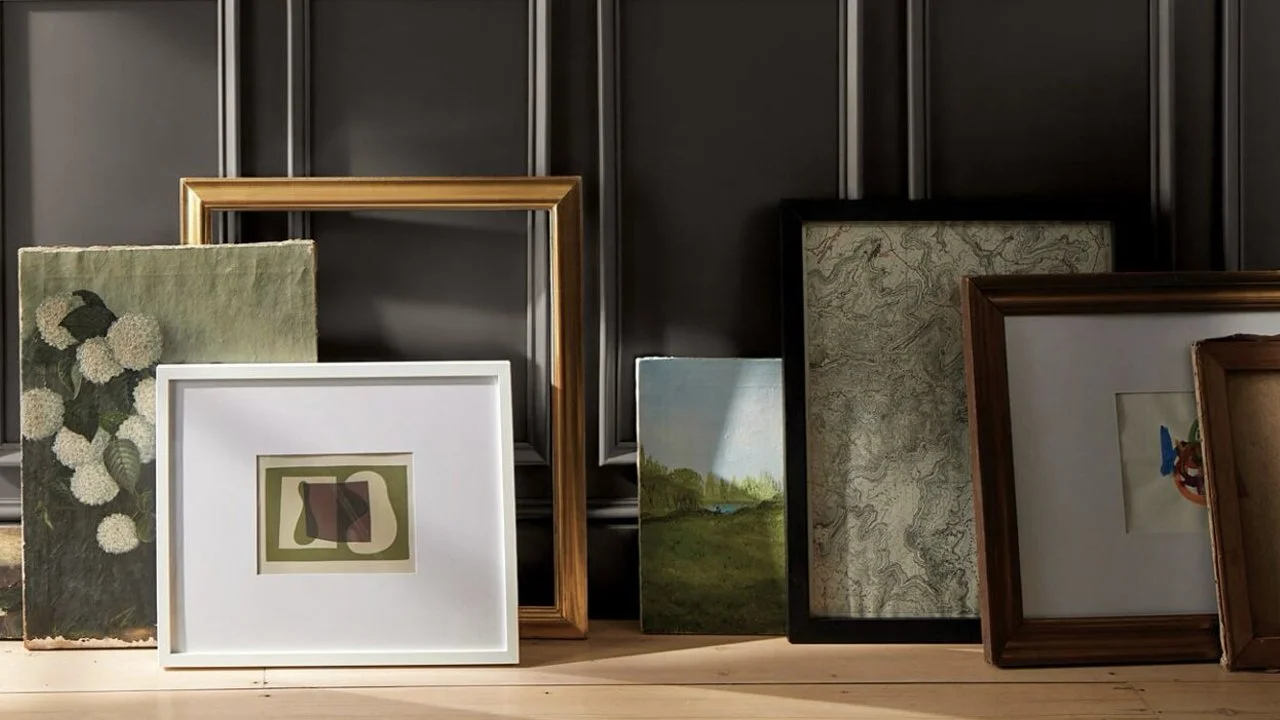
Adding Color to Your Home
Pantone picks an annual color of the year (this year, it’s the elegant Cloud Dancer) that’s used by interior designers, Pantone picks an annual color of the year (this year, it’s the the fashion industry, and beyond. Sherwin-Williams and Benjamin Moore also forecast color trends each year. Colors are important, and picking the correct one takes some knowledge and time.
There are a few essential steps to take when adding colors to most any space. Enlisting the assistance of a design professional can facilitate your decision process by determining which route to take and what colors to use, ultimately making the most of your time and money. If you are thinking of adding color to your space, there are considerations to be made. What do you want the room to convey? How do you want it to feel?
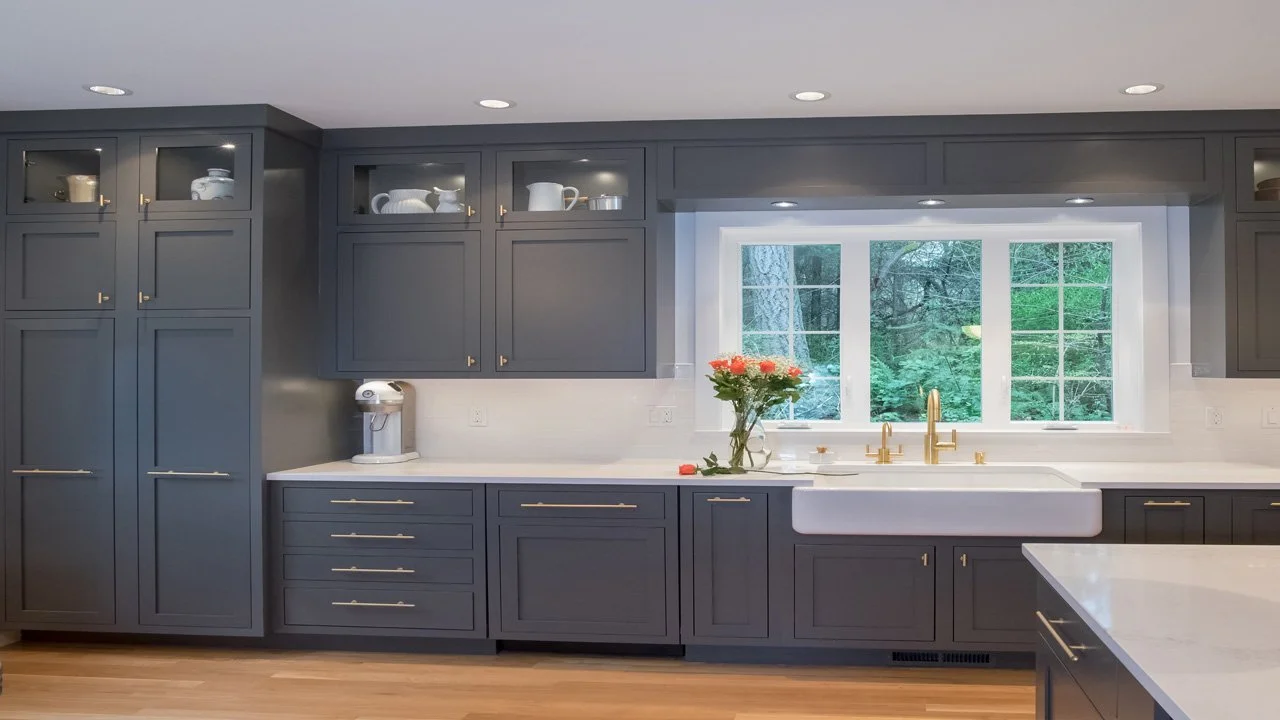
Residential Materials and Requirements to Consider Before You Buy Them
Low maintenance and high durability (quality products) are always in your best interest. You can pay now or pay later — and paying later will cost more money and time. Most homeowners have better things to do with their time than clean and maintain their homes. It’s also becoming increasingly difficult to find local handy people to fix sticky doors, pressure-wash decks or clean tile grout, so investing in high-durability, low-maintenance materials can ensure that you derive more joy and less stress from home-improvement projects.
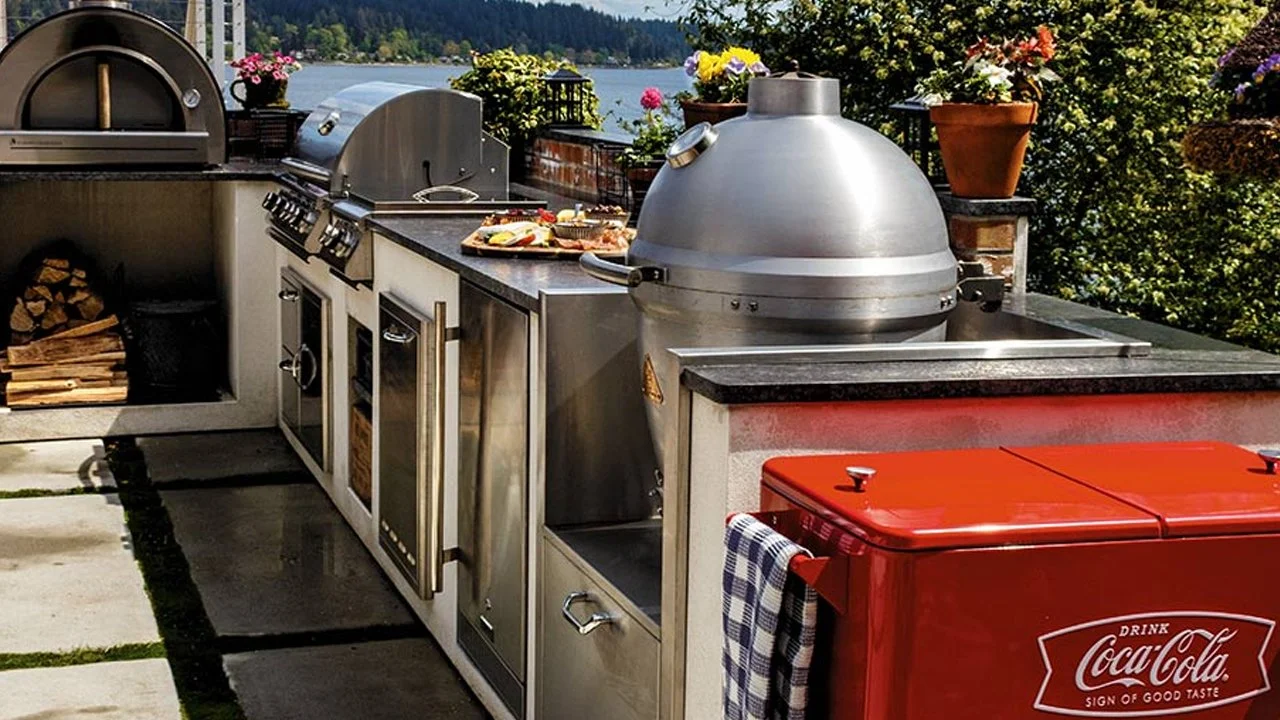
Supporting Health and Wellness with Healthy Home Trends (Part 3)
Beauty is in the eye of the beholder. Ever had a yearning for a specific countertop or a chair? Or on the flip side, a visceral reaction to a certain color or light fixture? If so, you are not alone. Colors, textures and design elements can evoke strong feelings of desire or displeasure.
These reactions can be explained, in part, by neuroaesthetics, a new field of experimental science that combines neuroscience, psychology and aesthetics to understand how humans derive intense pleasure or displeasure from aesthetic experiences such as art and beauty. Neuroaesthetics contends that visual aesthetics, namely the capacity of assigning different degrees of beauty to certain forms, colors or movement, is a specifically human trait not possessed by other members of the animal kingdom.
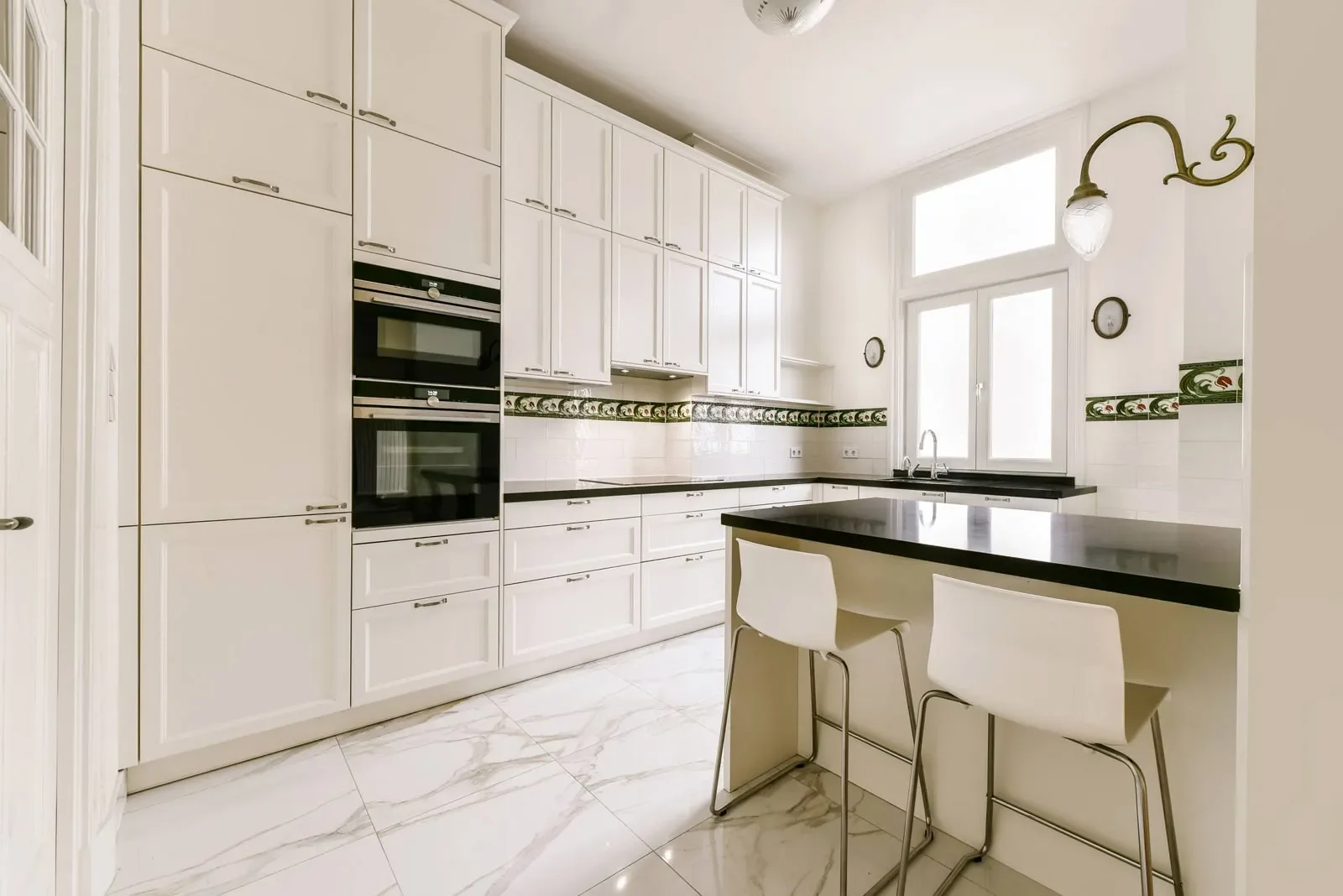
Supporting Health and Wellness Through Human-Centric Lighting, Technology and Comfort (Part 2)
Human-centric lighting (HCL) is the art and science of designing interior lighting systems that mimic natural light, be it daylight or darkness. Exposure to the “right” light can render a positive biological impact on the master clock in your brains and in turn, your circadian rhythms. The net objective of HCL is improved occupant comfort, mood and productivity in indoor spaces that support healthy circadian rhythms.
Supporting Health and Wellness by Combining Accessible Design with Comfort and Sustainability (Part 1)
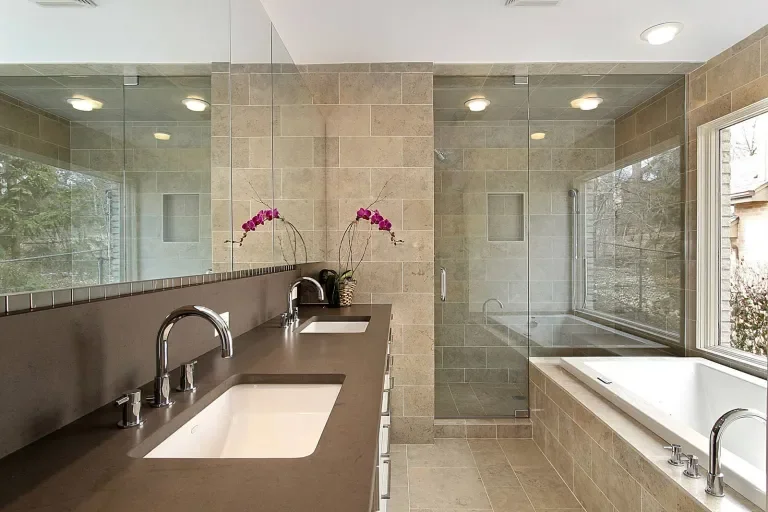
Accessible residential design and construction ensures that the layout and design elements are accessible for people of all ages and abilities, allowing homeowners to stay in their homes as long as they choose, rather than how long the house allows them to. Accessible design provides occupants with independence, dignity and peace of mind, all of which contribute to health and wellness.
Building the Deck of Your Dreams
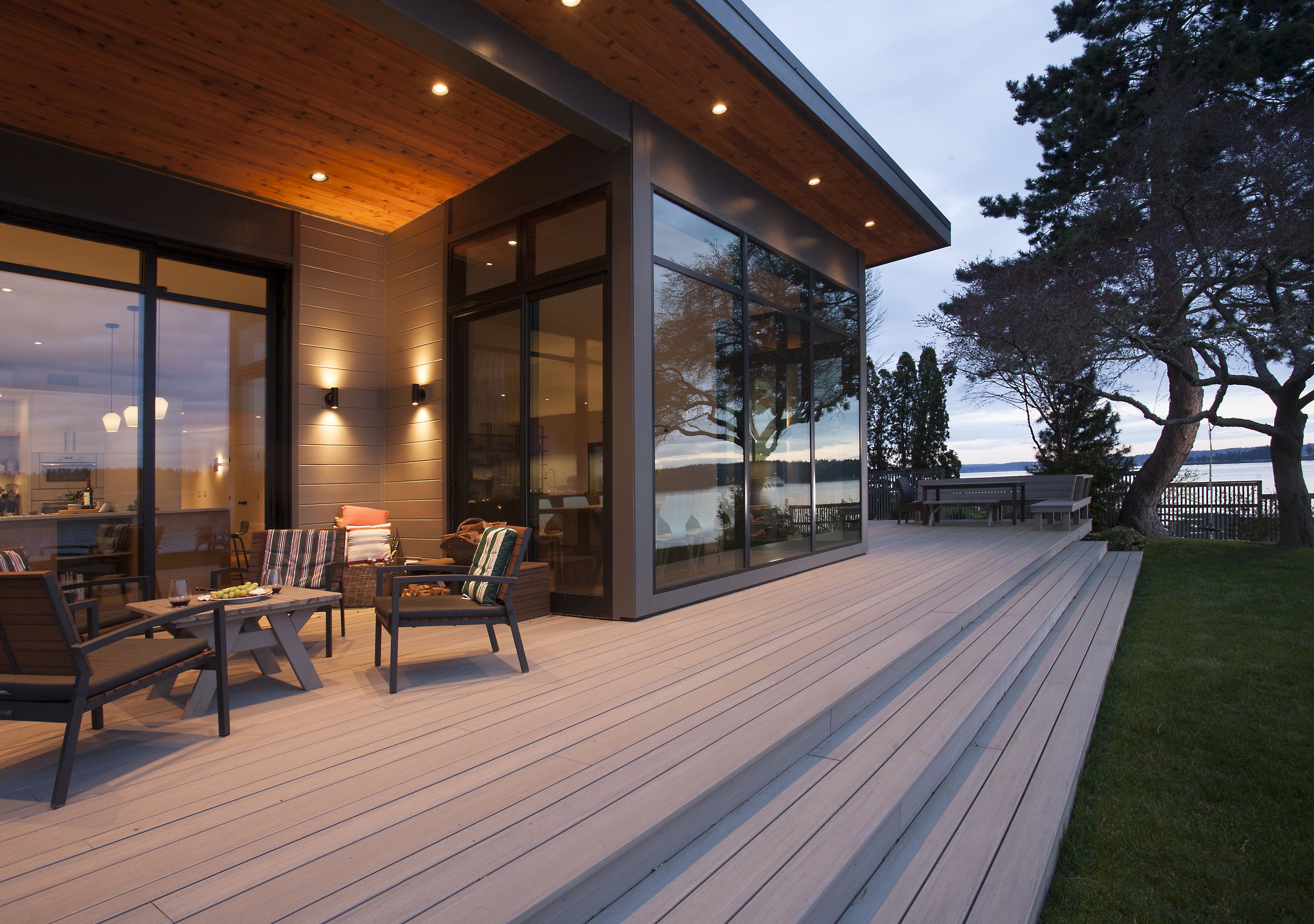
Office al fresco or simply a COVID-safe space to relax and commune with family and friends — many Americans are devoting time and financial resources to creating an outdoor living experience in their own backyards. Driven in part by the COVID-19 pandemic and the need for social distancing, many homeowners are using the disposable income they previously devoted to dining, entertainment and travel, along with the time saved from not commuting, to make improvements to their backyards, with a specific emphasis on decks.
Let’s Talk Toilets: Choosing the Right Toilet for You and Your Bathroom
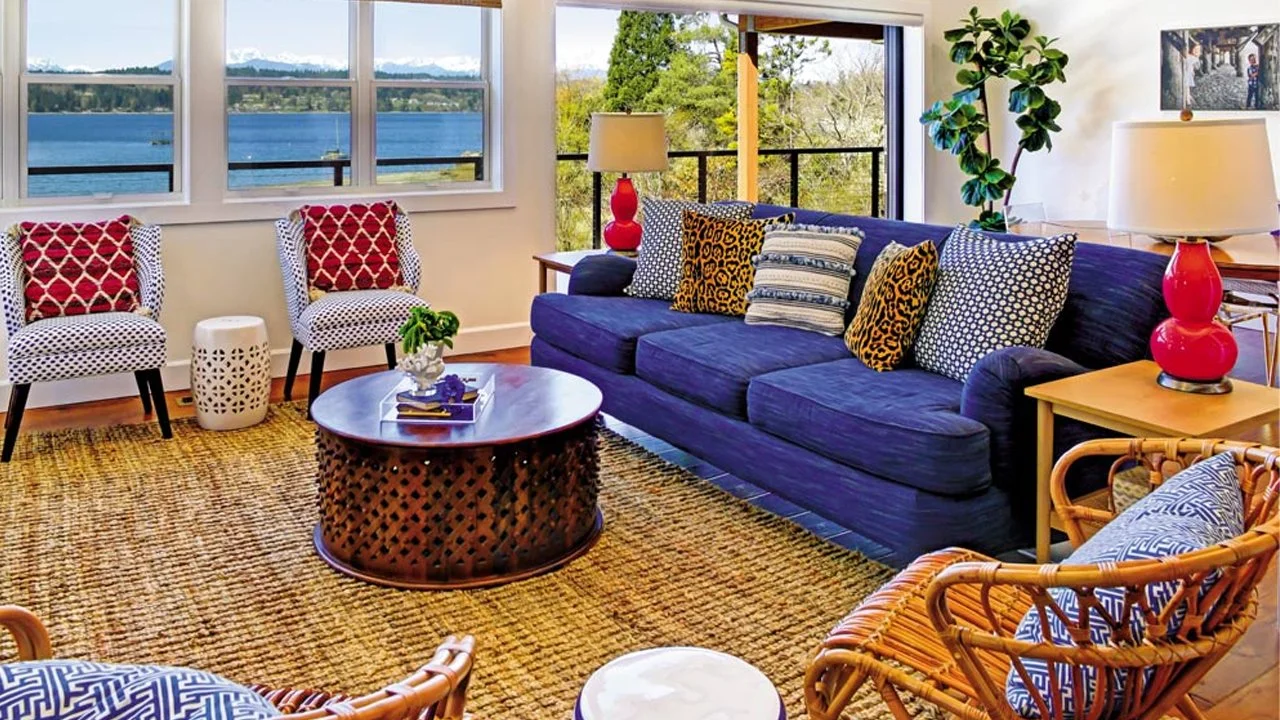
Toilets typically do not make for polite conversation. But when you think about how often people use a toilet and how many options you have when selecting the right one, maybe it’s high time to reconsider the perceptions of “toilet talk.”
Toilets come in two basic configurations: one-piece and two-piece. One-piece toilets are fabricated as one continuous piece of porcelain (or vitreous china), meaning that the toilet bowl and tank are fused. One-piece toilets can either be floor-mounted or wall-mounted (the tank is built into the wall and typically requires a 2-by-4-inch stud wall or a bump-out wall sized to the toilet).
Get in TouchBegin Your Project
Let’s create a space that supports how you live, today and into the future.